
Have you ever walked into a tent in summer and felt like stepping into an oven? You turn on the cooling equipment, wait for a while… and nothing really changes. The heat just sits there.
That situation happens more often than you’d think. Tents don’t behave like normal indoor spaces, so the usual cooling approach doesn’t work the way you expect.
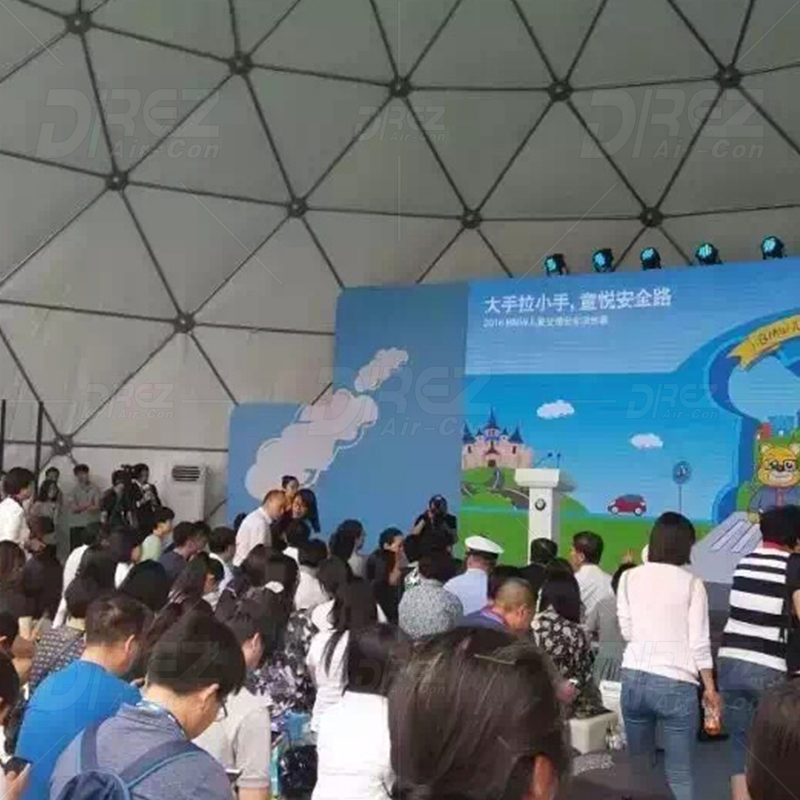
1. Where Is All That Heat Coming From?
Let’s break it down in a simple way. The heat isn’t coming from just one place:
- The sun hits the tent directly all day
- The fabric doesn’t block heat very well
- People, lights, and equipment keep adding warmth inside
- Every time someone walks in or out, hot air comes right back in
So even if you start cooling, heat keeps building up at the same time.
2. So What Actually Works?
If you want the temperature to drop fast, you need to focus on three things working together:
- Enough cooling power to pull heat out quickly
- Strong airflow to push cold air across the tent
- Good circulation so hot air doesn’t get trapped
If one of these is missing, the whole setup feels weak. You might have cooling, but it won’t feel effective.

3. Start Earlier Than You Think
Here’s something many people overlook: timing.
Instead of turning everything on when people arrive, try this:
- Start the system 1–2 hours in advance
- Keep the tent as closed as possible during that time
- Let the temperature settle before the crowd comes in
You’ll notice a big difference right away. Walking into a pre-cooled tent feels completely different from waiting for it to cool down.
4. What Kind of Equipment Should You Use?
You might be wondering, “Can I just use regular cooling units?” In small setups, maybe. But once the space gets bigger, that approach usually struggles.
Here are some options that actually work better in these situations:
Tent Air Conditioning Units
- Built for temporary spaces
- Push air farther into the tent
- Quick to set up
Integrated Cooling Units
- Handle larger areas more steadily
- Work well when running for long hours
Air Distribution Setup
- Helps spread cool air evenly
- Avoids hot and cold spots
Instead of relying on a single unit, combining these approaches usually gives better results.
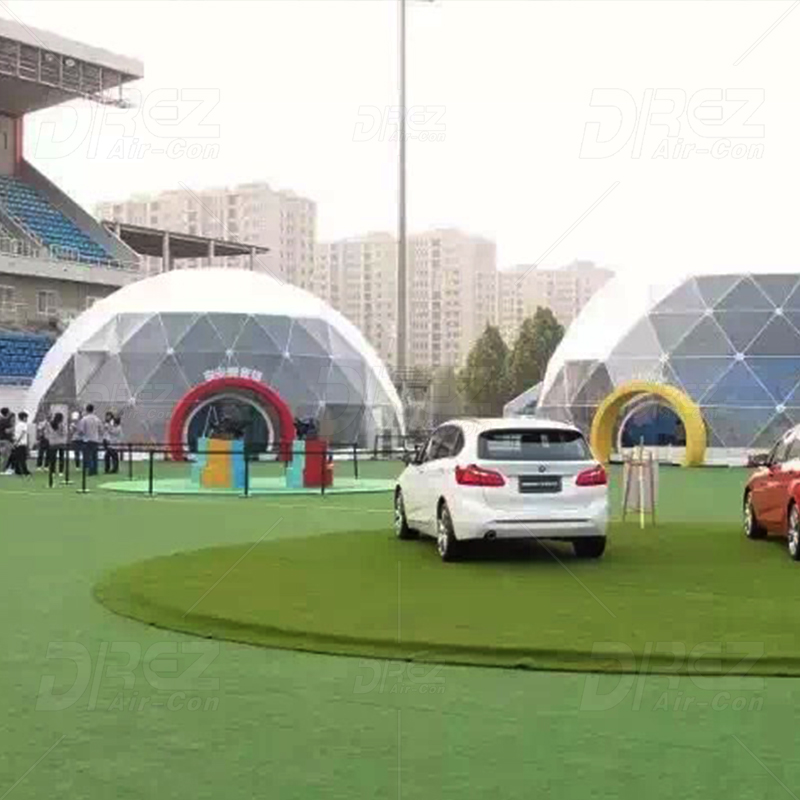
5. Placement Makes a Bigger Difference Than You Think
Even with good equipment, poor placement can ruin the effect.
- Don’t stack all units in one corner
- Aim airflow toward the center of the tent
- Make sure warm air has somewhere to go
When airflow is balanced, you’ll feel the temperature drop much faster.
6. Small Adjustments That Help a Lot
You don’t have to rely only on cooling equipment. A few simple changes can make things easier:
- Add shading outside to block direct sunlight
- Use reflective covers when possible
- Keep entrances closed when not in use
- Reduce unnecessary heat sources inside
These steps lower the overall heat, so your system doesn’t have to work as hard.
7. Mistakes That Slow Everything Down
Some setups fail not because of the equipment, but because of simple oversights:
- Not enough cooling for the size of the tent
- No clear airflow plan
- Turning everything on too late
- Uneven placement of units
Fixing these alone can improve the result more than upgrading equipment.
8. So, What’s the Real Answer?
If you’re trying to cool a tent in hot weather, think of it as a combination of timing, airflow, and the right setup. When everything works together, the space cools down faster and stays comfortable longer.
Once you get that balance right, you’ll stop fighting the heat—and start controlling it.